

Why Pets Receive Surgery at Bionika

Our surgical theatre in Isani is equipped with HEPA filtration, gas anesthesia, infusion pumps, and multiparameter monitors that track ECG, blood pressure, SpO2, ETCO2, and temperature in real time. Each case is led by an experienced surgeon supported by a dedicated anesthetist and recovery nurse.

Owners receive bilingual updates via Messenger or phone throughout the day, including admission photos, post-anesthesia videos, and a written recovery plan. This communication-first approach helps expats and Georgian families stay confident while their pet is hospitalized.

Core Surgical Services

  • Sterilisation (Spay/Neuter): Routine ovariohysterectomy and castration for cats and dogs with pain-free recovery protocols.
  • Soft Tissue Surgery: Lump and tumor removal, wound reconstruction, gastrointestinal and urinary procedures.
  • Emergency Surgery: GDV, pyometra, splenectomy, and trauma stabilization with 24/7 on-call support.
  • Orthopedics: Cruciate ligament repair, fracture fixation, patella luxation correction performed with visiting orthopedic specialists.
  • Minimally Invasive Solutions: When appropriate, we use smaller incisions, intradermal sutures, and dissolvable stitches for faster healing.

Pre-Operative Preparation

Safety begins days before the procedure. During the pre-surgical consult we perform auscultation, temperature checks, and discuss previous anesthetic events. Pets older than five years or those with chronic conditions receive blood chemistry and coagulation tests to tailor anesthesia.

Owners receive a fasting guide (water allowed up to 4 hours pre-op), medication adjustments, and grooming tips to minimise contamination. On admission day, patients are settled into a warmed induction suite with calming pheromones.

How We Manage Anesthesia

Bionika uses balanced anesthesia: premedication for anxiety and analgesia, IV induction, and maintenance with isoflurane gas. Continuous ECG, oscillometric blood pressure, and capnography allow us to adjust depth instantly. Warm-air blankets maintain normothermia, reducing recovery times.

For high-risk patients we tailor protocols with regional nerve blocks, total intravenous anesthesia (TIVA), or oxygen cages. A surgeon remains present during recovery to respond to any complications.

Post-Operative Recovery Plan

Every patient recovers in a dedicated ward with nurse supervision. Pain is controlled using multimodal therapy (NSAIDs, opioids, local blocks) and anti-nausea medication. Before discharge we demonstrate bandage changes, incision care, and feeding schedules.

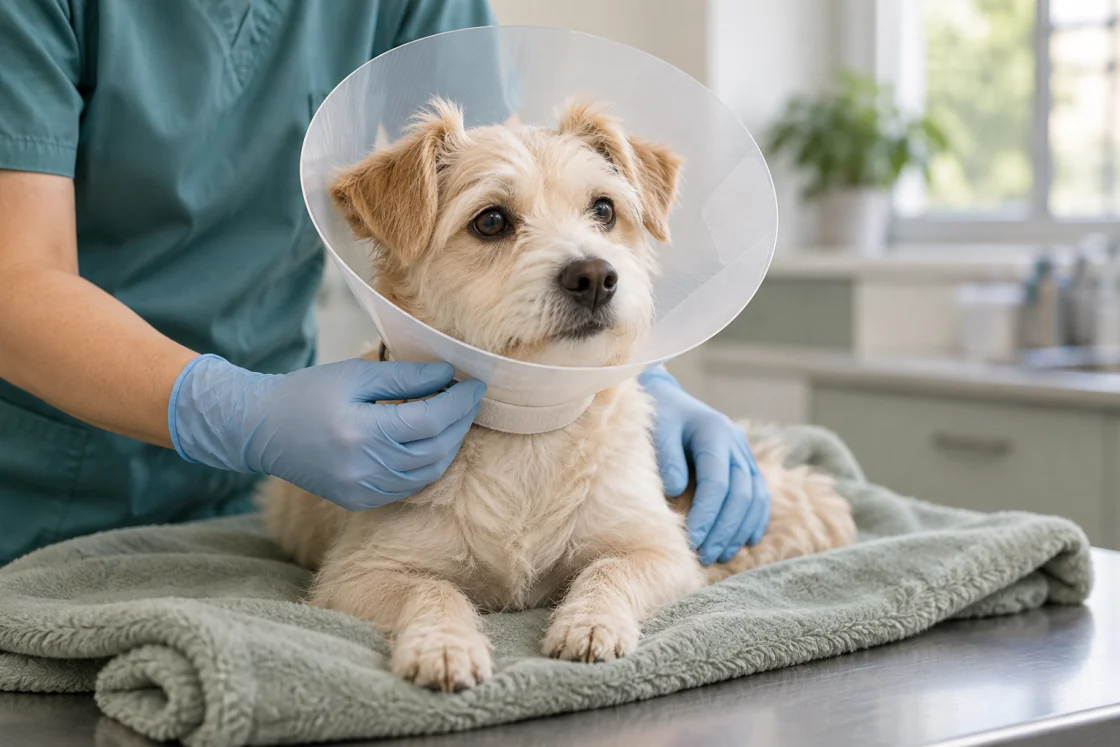
Owners receive a recovery kit with collar, wound spray, medication chart, and Messenger check-ins on post-op day 1 and day 3. A recheck visit is scheduled within 7–10 days to remove sutures and confirm healing.

Surgery Timeline at a Glance

Stage What Happens Owner Checklist
7–5 days prior Pre-surgical consult, bloodwork, risk assessment Share previous records, discuss medications
Day before Confirm fasting schedule and drop-off time Last meal 10–12h before; water until 4h before
Surgery day Anesthesia, operation, intensive monitoring Leave contact number, expect Messenger updates
Evening of surgery Discharge with medications and instructions Prepare quiet space, start pain medications
Post-op day 3 Follow-up call to check appetite, incision Send photos if swelling or redness appears
Day 7–10 Clinic recheck, suture removal, final report Bring recovery collar and medication log

Surgery FAQs

How do I know if my pet is a good surgical candidate?

During the consult we evaluate heart, lungs, bloodwork, and any concurrent illnesses. If additional cardiology or imaging is needed, we coordinate referrals before scheduling surgery.

Will my pet feel pain after the procedure?

Our multimodal protocols keep pets comfortable. You will receive oral analgesics and, when required, anti-inflammatory injections. We also install local nerve blocks for orthopedic cases.

Can you arrange hospitalization overnight?

Yes. Critical patients remain in our monitored ward or are transferred to a 24-hour partner centre. We send late-night updates to reassure owners.

When can my pet resume normal activity?

Most spay/neuter patients resume gentle walks after 5–7 days and full activity after 14 days. Orthopedic patients follow a staged rehab plan with physiotherapy recommendations.

Do you offer second opinions on previous surgeries?

Absolutely. Bring prior records, imaging, and discharge notes. We will review healing progress, remove problematic sutures, and create a new recovery plan if needed.