


Why Dental Care Matters for Pets
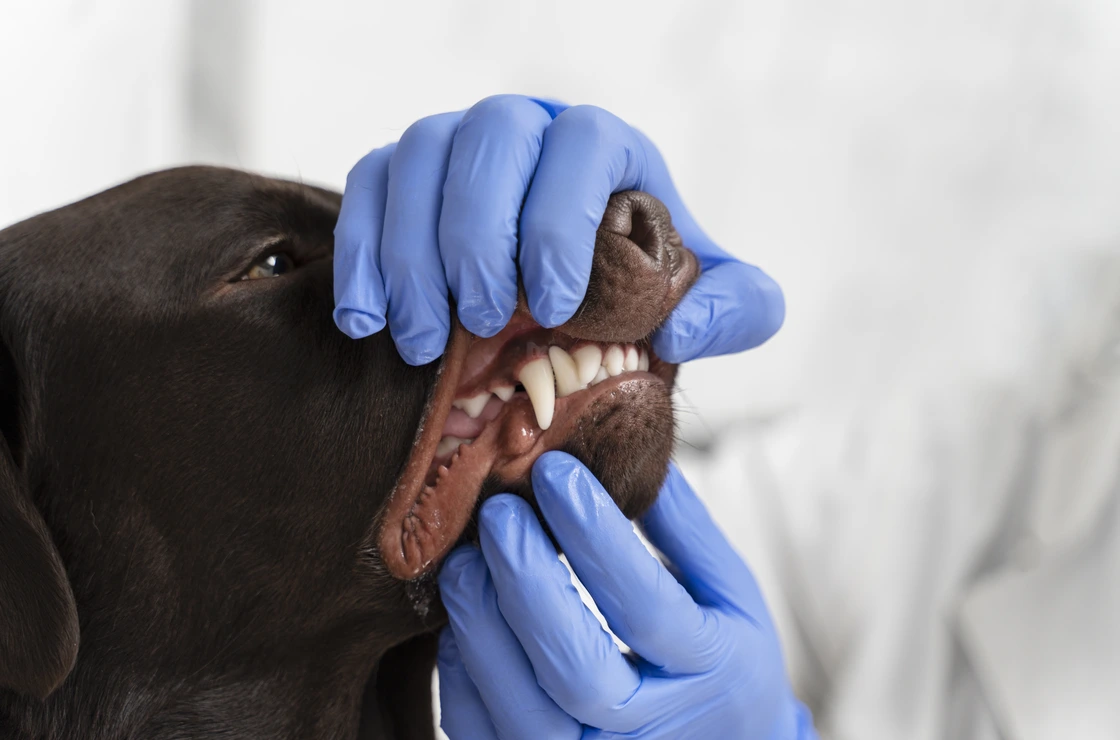
More than 70% of adult cats and dogs over the age of three show signs of periodontal disease. Untreated plaque leads to gum recession, tooth loss, jaw fractures, and systemic infections that affect the heart, liver, and kidneys. Bionika’s veterinary dentistry team in Tbilisi combines modern diagnostics with gentle patient handling so your pet stays comfortable from admission to recovery.
Our Dental Services
- Comprehensive Oral Exam: Pre-anesthetic evaluation, intra-oral inspection, gum probing, and documentation with dental charts.
- Ultrasonic Scaling & Polishing: Removal of supra- and subgingival calculus, polishing, fluoride rinse, and periodontal pocket therapy.
- Dental Radiography: High-resolution digital X-rays to detect hidden root disease, resorption, fractures, and retained teeth.
- Oral Surgery: Surgical extractions, abscess drainage, tumor removal, jaw fracture stabilization, and oronasal fistula repair.
- Pediatric Dentistry: Bite evaluation, retained deciduous tooth extraction, enamel defect treatment, and orthodontic counselling.
What to Expect on Dental Day
During admission our nurses record vital signs, apply calming pheromones, and place an IV catheter. Pets receive tailored anesthesia with intra-oral nerve blocks to minimise pain. After the procedure we provide photos of the cleaned teeth, annotated X-rays, and a chart showing treated teeth.
Dental Timeline & Owner Checklist
| Stage | Clinic Actions | Owner Responsibilities |
|---|---|---|
| 1 week before | Oral exam, bloodwork (if indicated) | Share medical history, adjust medications |
| Night before | Confirm arrival time & fasting instructions | Remove food 10h before, water allowed till 4h |
| Dental procedure | Anesthesia, scaling, X-rays, treatment | Leave contact number for updates |
| Post-op evening | Pain control plan, soft food instructions | Start pain meds, offer water & soft meals |
| Day 3 follow-up | Messenger check or phone call | Report appetite, swelling, behaviour |
| Day 10–14 | Clinic recheck, polish sensitive spots, long-term plan | Bring medication log, discuss home brushing |
Home Care After Dental Work
We prepare a personalised home-care kit: syringe for water flushes, antiseptic gel, soft diet recommendations, and a brushing starter set. For pets with extractions we provide instructions on feeding from elevated bowls to reduce pressure on healing areas.
Owners also receive a schedule for reintroducing dental chews, enzymatic toothpaste, and professional cleanings every 6–12 months depending on breed risk.
Dental FAQs
Why is anesthesia required for dental cleaning?
Effective scaling requires access under the gumline and accurate probing of each tooth, which cannot be achieved safely on awake pets. Anesthesia keeps airways protected and allows pain-free treatment.
Will my pet need antibiotics?
Not always. We prescribe antibiotics only when there is deep infection, extractions, or systemic risk. Pain control and oral hygiene are usually sufficient for routine cleanings.
How often should I schedule dental cleanings?
Most small breeds and brachycephalic pets require professional cleanings every 6 months. Larger breeds with low plaque build-up benefit from annual visits.
Do you offer dental X-rays without cleaning?
Yes, if your veterinarian needs images before treatment we can schedule a radiography-only anesthesia session. Speak with our team about sedation options.
Can you show me how to brush my pet’s teeth?
Absolutely. At the recheck we demonstrate step-by-step brushing techniques and recommend flavoured pastes that pets accept more easily.
Call: 511 252 470
Get Directions